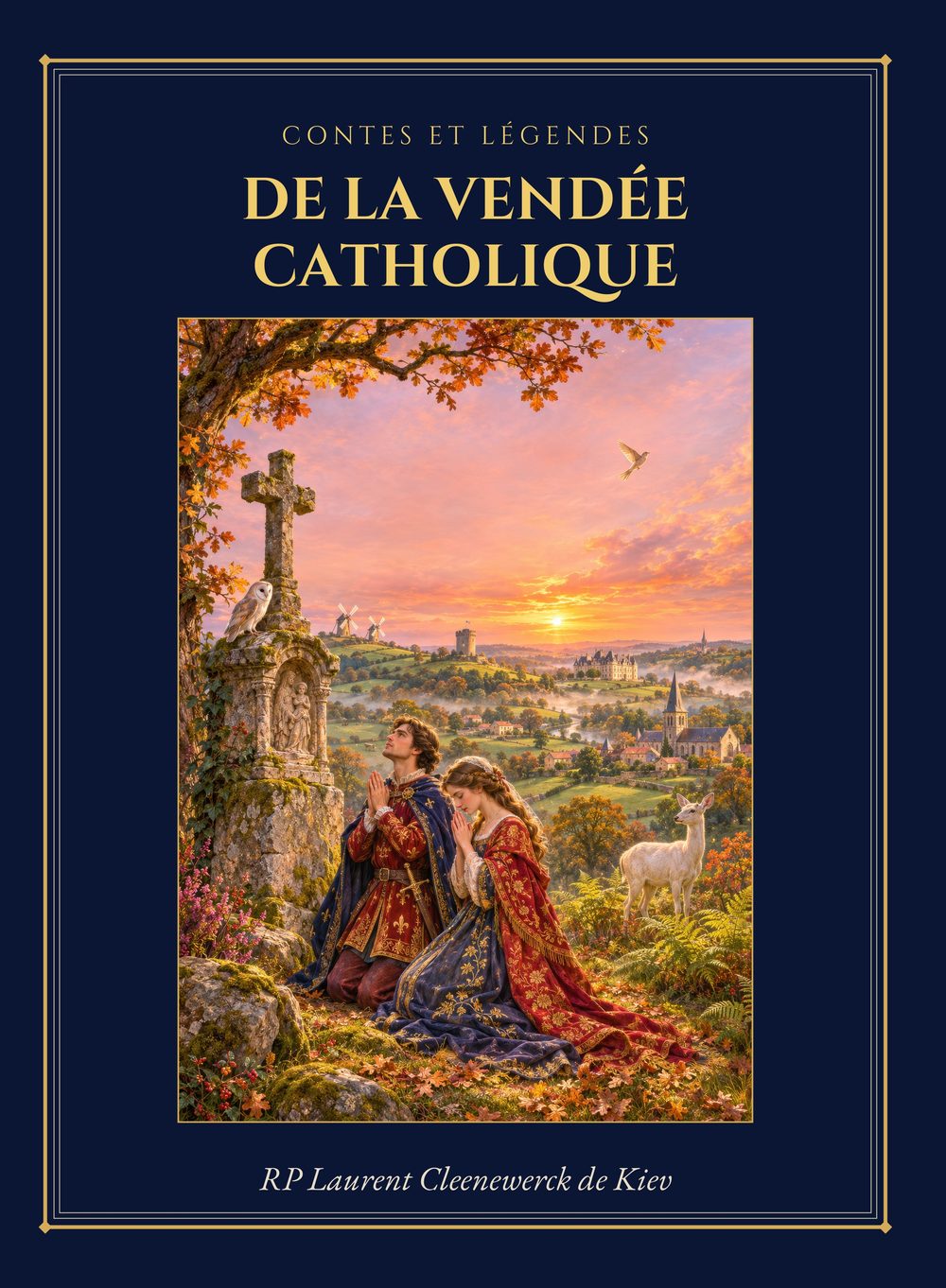
Cover of Contes et Légendes de la Vendée Catholique by Fr. Laurent Cleenewerck de Kiev: a young lord and a maiden praying before a wayside cross above the Vendée bocage
Coming soon · A book from l'Hermitage

Tales and Legends of Catholic Vendée

Fr. Laurent Cleenewerck de Kiev · Contes et Légendes de la Vendée Catholique

Twelve tales born in the heart of the High Bocage, from Vouvant to the Mont des Alouettes, from the Puy du Fou to Les Lucs-sur-Boulogne. In them we meet princes and maidens, wondrous animals, trials and miracles, and faith is placed not in the background but at the heart of the story.

The tales pass through three ages: the time of the lords and the hermits, the time of the War in the Vendée, from 1793 to 1796, and the time when the bells returned and the country was reconciled. Each is tied to a real place and to a feast of the Christian year, from Candlemas to All Saints.

The book is published first in French; an English edition will follow.

Read the tale of l'Hermitage Be told when it appears

A word from the author

A book born at l'Hermitage

Years later, Providence willed that this land of legend should become our land. With my wife and our children, we made a home in the Vendée and lived there, in the heart of the High Bocage, at Saint-Mesmin, in the Manoir de l'Hermitage. We learned to love its quickset hedges and sunken lanes, its chestnut trees, its church spires seen from hill to hill, the old keep of the castle of Saint-Mesmin and the underground passages the old people speak of.

We no longer live in Saint-Mesmin all year round, but we return every year, and each time with great joy. When the car leaves the main road and turns in between the hedges, when the spire appears above the fields, it is always a little like coming home. This book was born of that love, and of the gratitude I owe to this land and its people.

Father Laurent

Tale VII · Extract

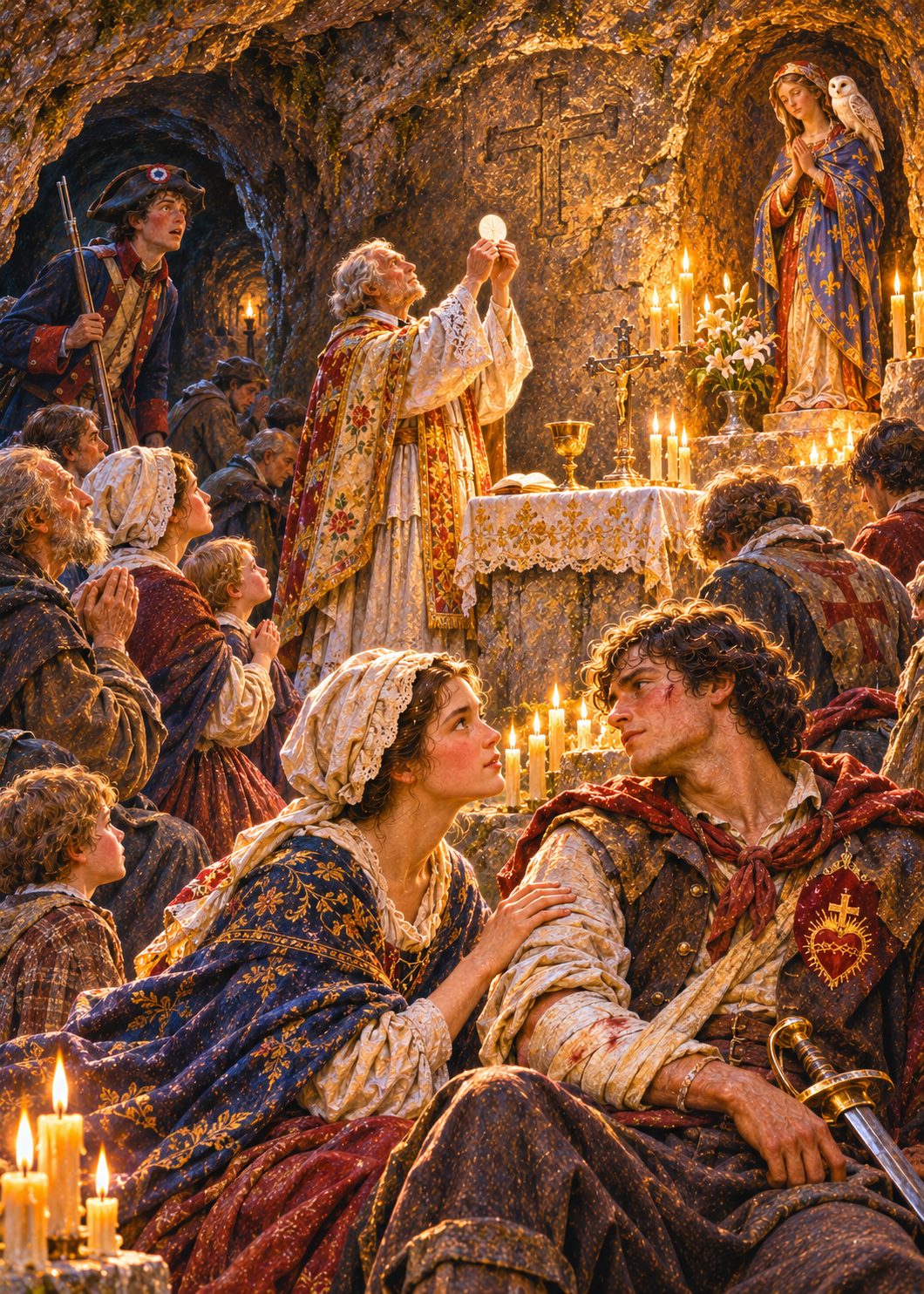
The Mass Beneath the Earth

A tale of Saint-Mesmin and the feast of Candlemas

Once upon a time, in the country of the High Bocage, between the quickset hedges and the sunken lanes, there was a village called Saint-Mesmin. Above it watched an old castle, built in the days of the Hundred Years' War by the lord Pierre de Montfaucon. Its keep rose so high that the swallows, it was said, rested there before flying on to heaven.

Some distance from the village, on the road that leads toward the woods, stood a house of gray stone that people called l'Hermitage. The old folk told how a holy hermit had once lived there. He prayed night and day for the village, and before he died, he blessed the galleries dug beneath the hill.

For beneath Saint-Mesmin there was another Saint-Mesmin. It was a world of underground passages, so old that no one knew who had dug them. Some said the Gauls, others the monks, others again the fairies. These galleries ran, it was said, from l'Hermitage to the foot of the castle, with chambers where a man could stand upright and passages where one had to crawl like a fox.

At l'Hermitage there lived in those days Jeanne Gaborit, the tenant farmer's daughter. She was seventeen, with eyes the color of chestnuts and a voice so clear that at Sunday Mass the old women turned around to hear her sing. Jeanne knew the underground passages better than anyone. As a little girl, she had followed a barn owl into them, white as February snow, which the people of the country called the White Lady.

The bird nested in the church tower. Every evening, at the hour of the Angelus, it came down from the tower, flew over the roofs of the village and vanished into the brambles that covered the hermit's old chapel, behind l'Hermitage. That was where the door to the underground passages opened.

"That owl," Jeanne's grandmother would say as she spun at her distaff, "is the hermit's guardian. The day the wicked come, she will show you the way."

Jeanne laughed, without understanding. Yet she had a friend who never laughed at these stories: Henri, the son of the manor house of la Cibretière. As children, they had run together through the galleries, a candle in hand, playing at knights and ladies. Henri had sworn to her, before the statue of Our Lady, that he would always defend her against dragons. As they grew up, each had understood that a lord's son does not marry a tenant farmer's daughter, and they no longer spoke of that oath.

Then came the year 1791. The priest of Saint-Mesmin refused to take the oath the Revolution demanded of priests, and another priest was sent to the village, to whom no one would listen. Then came the spring of 1793. The whole Bocage rose for God and for the King, the Sacred Heart sewn on their breasts. Henri left with the others. On the morning he departed, Jeanne gave him a scapular she had embroidered with her own hands. He pressed it to his heart and mounted his horse without a word, for fear his voice would betray him.

The winter of 1794 was the darkest the Bocage had ever known. The great Vendéen army had crossed the Loire, and it was said that it had been lost in the marshes of Savenay. One snowy evening, a horseman knocked at the door of l'Hermitage. He was thin, covered in mud, his arm bound in a cloth red with blood. It was Henri.

"They are coming," he said. "Columns of soldiers who burn everything in their path: the churches, the farms, the mills. They leave nothing behind them but ashes."

That night, Jeanne could not sleep. In the middle of the night, she heard a cry above the roof. She opened the window and saw the White Lady perched on the chimney, watching her with its great black eyes. The bird cried three times, then flew off toward the village. Far away, toward the forest, the sky was beginning to turn red...

The rest is in the book. What will the people of Saint-Mesmin find beneath the earth, on that night of fire? Who will come to disturb the Candlemas Mass? And does the White Lady still guard the door to the underground passages, behind l'Hermitage?

Contents

The twelve tales

Each tale is illustrated and accompanied by notes that help the reader to tell history from legend.

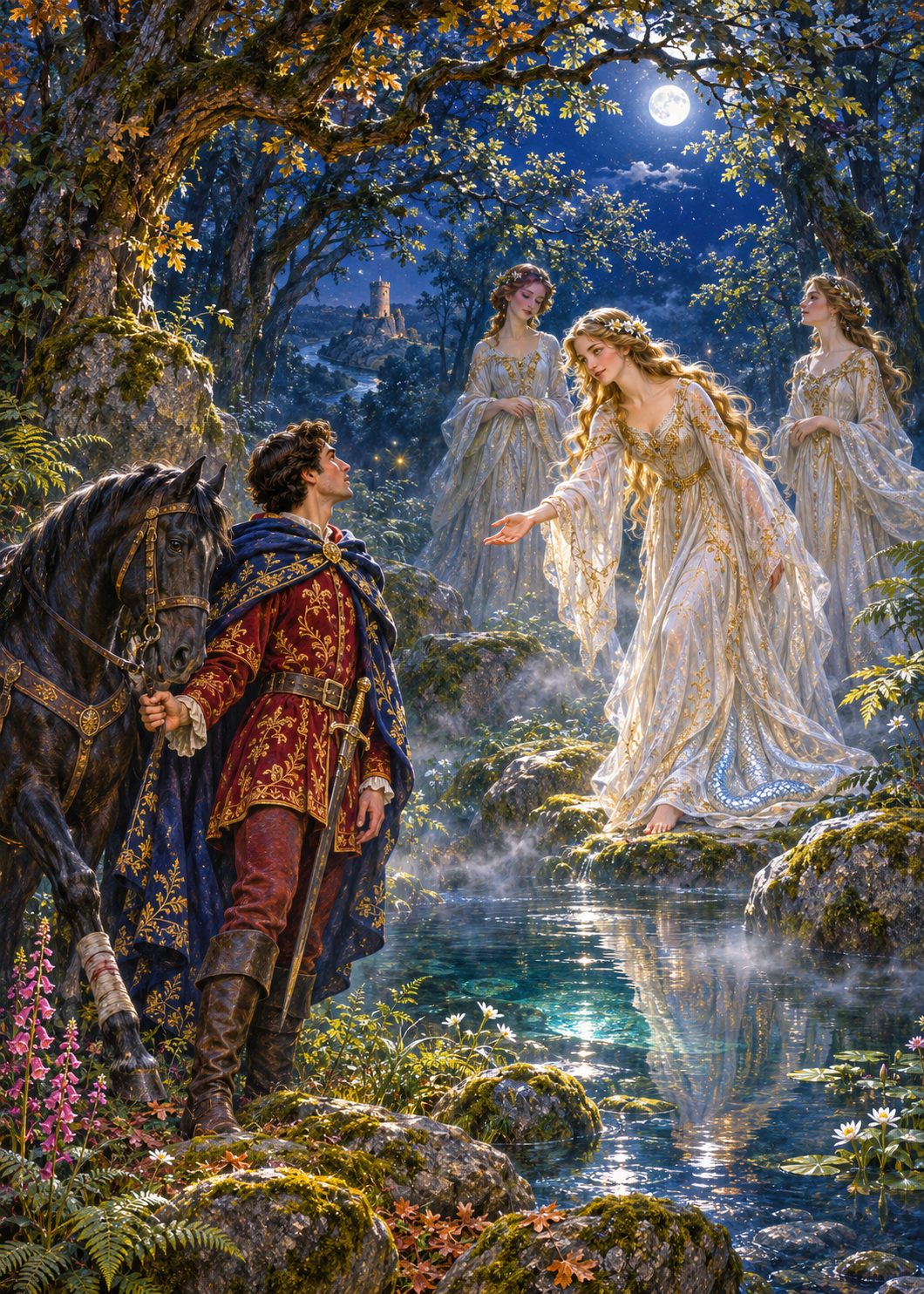
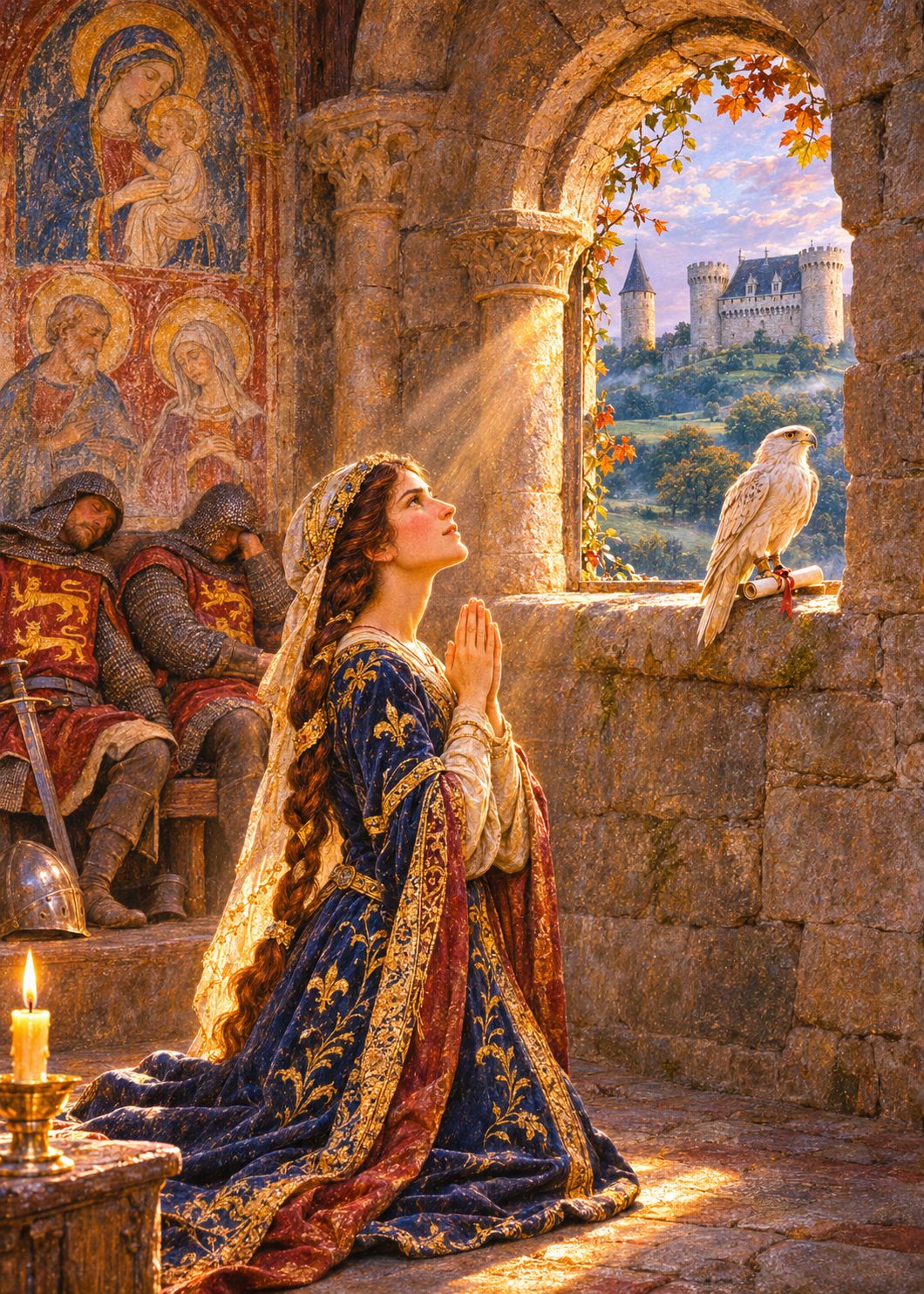
Illustration for tale I, The Fairy of Vouvant
I

The Fairy of Vouvant

A tale of Vouvant and the Easter Vigil

Illustration for tale II, The Sunken Bells of Herbauges
II

The Sunken Bells of Herbauges

A tale of the lake of Grand-Lieu and Christmas night

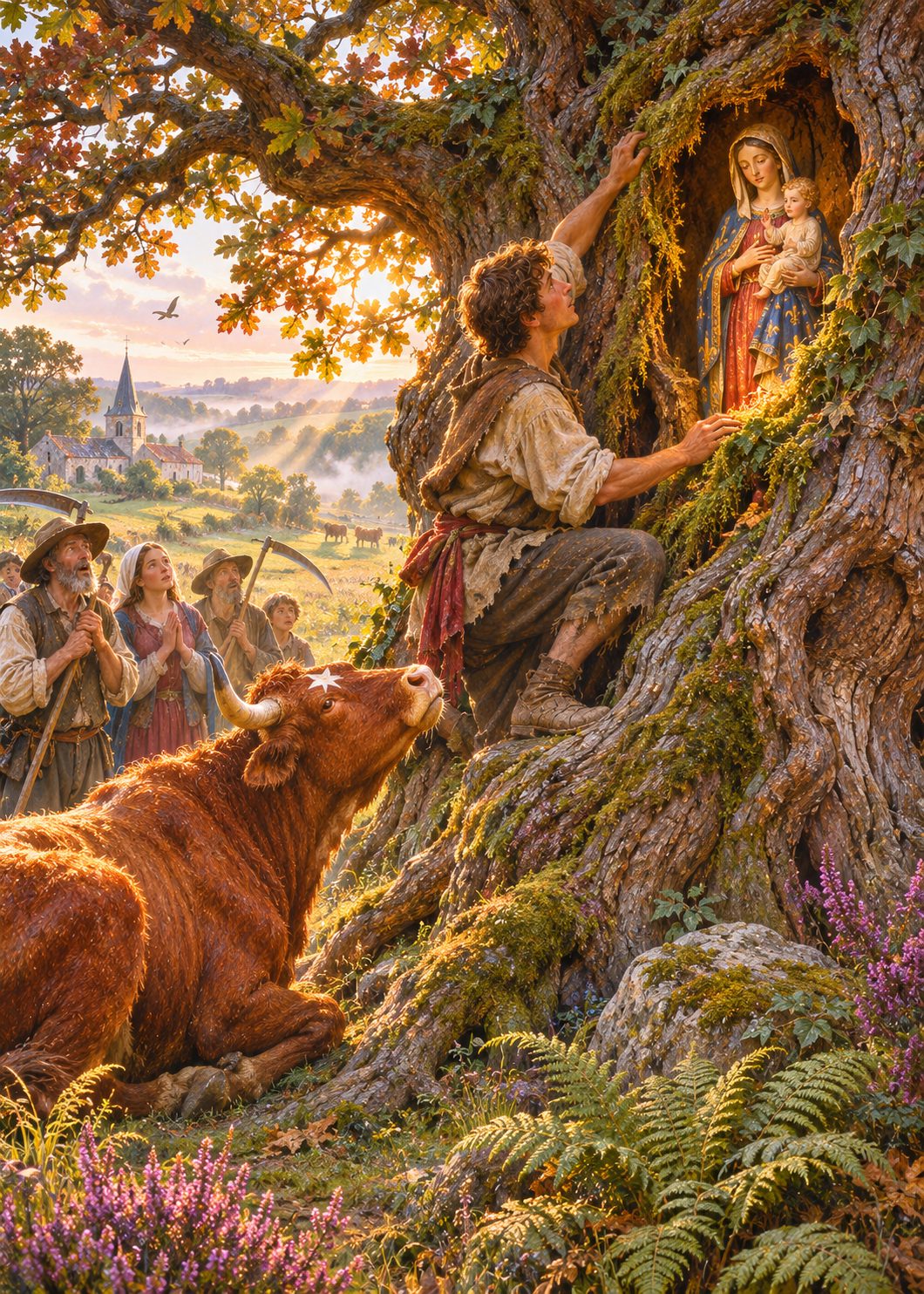
Illustration for tale III, The Ox Who Guarded the Oak
III

The Ox Who Guarded the Oak

A tale of Beauchêne and the Nativity of Our Lady

Illustration for tale IV, The Watchtower of Fief-Milon
IV

The Watchtower of Fief-Milon

A tale of Pouzauges and the Assumption

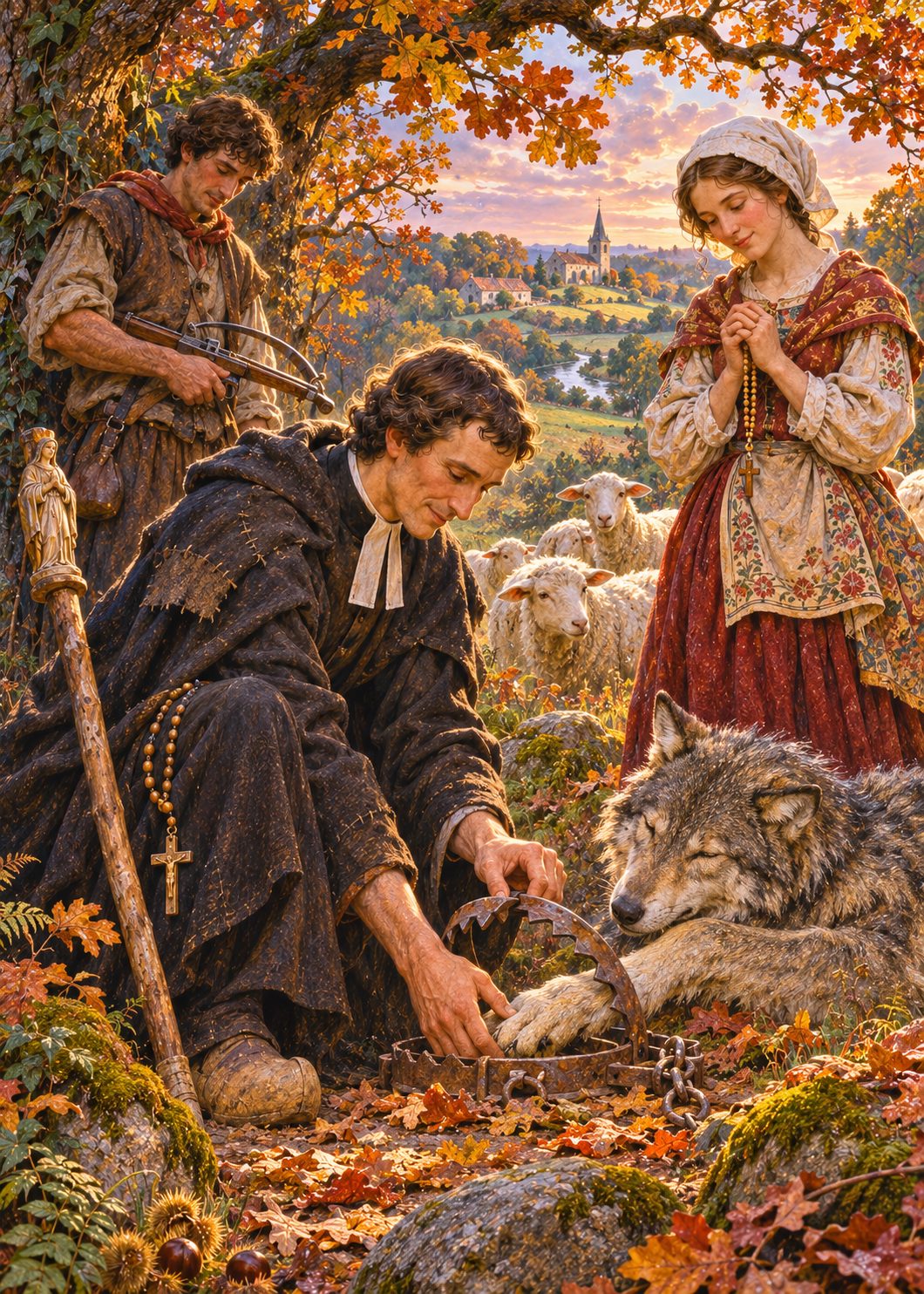
Illustration for tale V, The Wolf and the Rosary of Father de Montfort
V

The Wolf and the Rosary of Father de Montfort

A tale of Saint-Laurent-sur-Sèvre and Our Lady of the Rosary

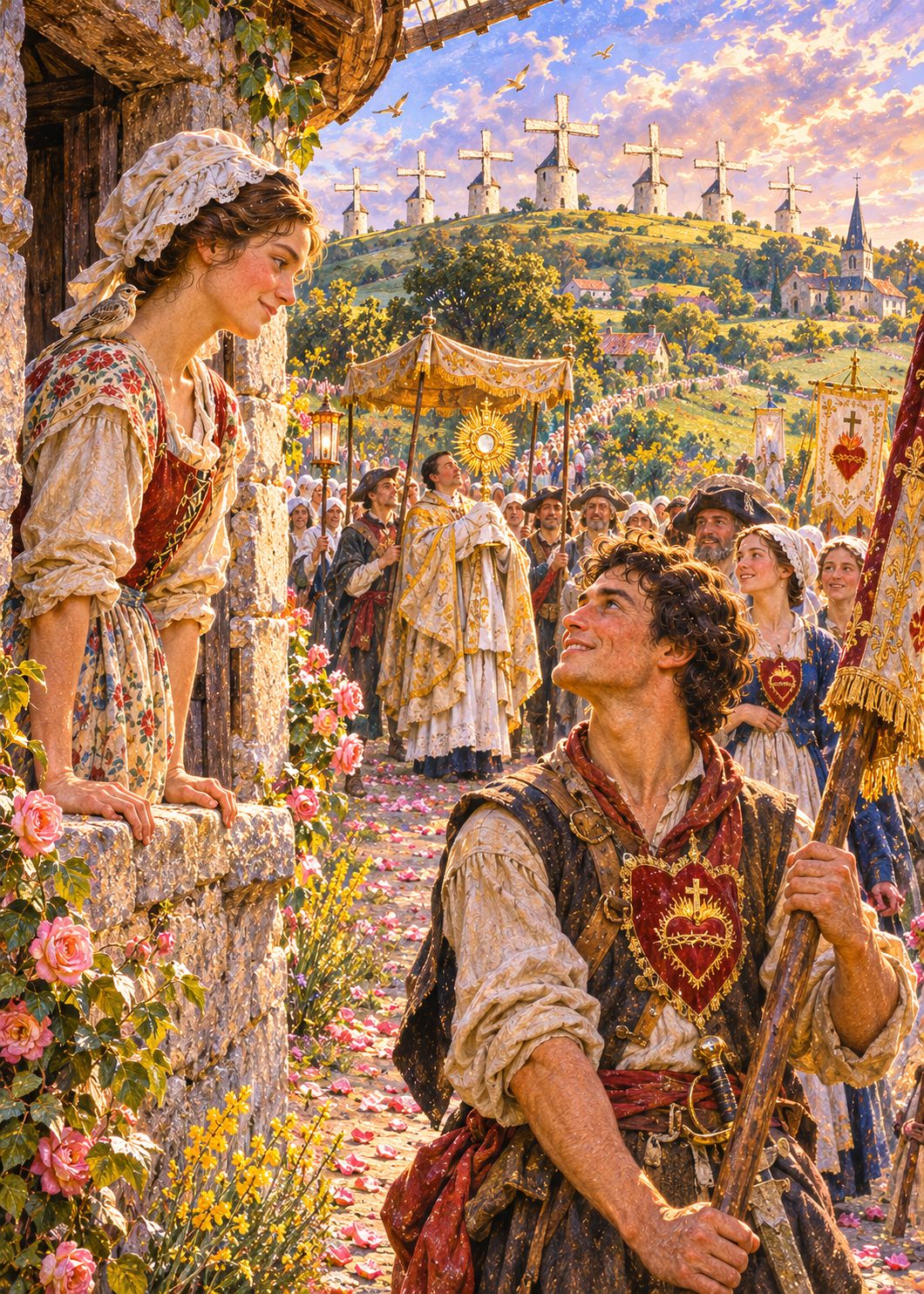
Illustration for tale VI, The Windmills of the Mont des Alouettes
VI

The Windmills of the Mont des Alouettes

A tale of the Mont des Alouettes and Corpus Christi

Illustration for tale VII, The Mass Beneath the Earth
VII

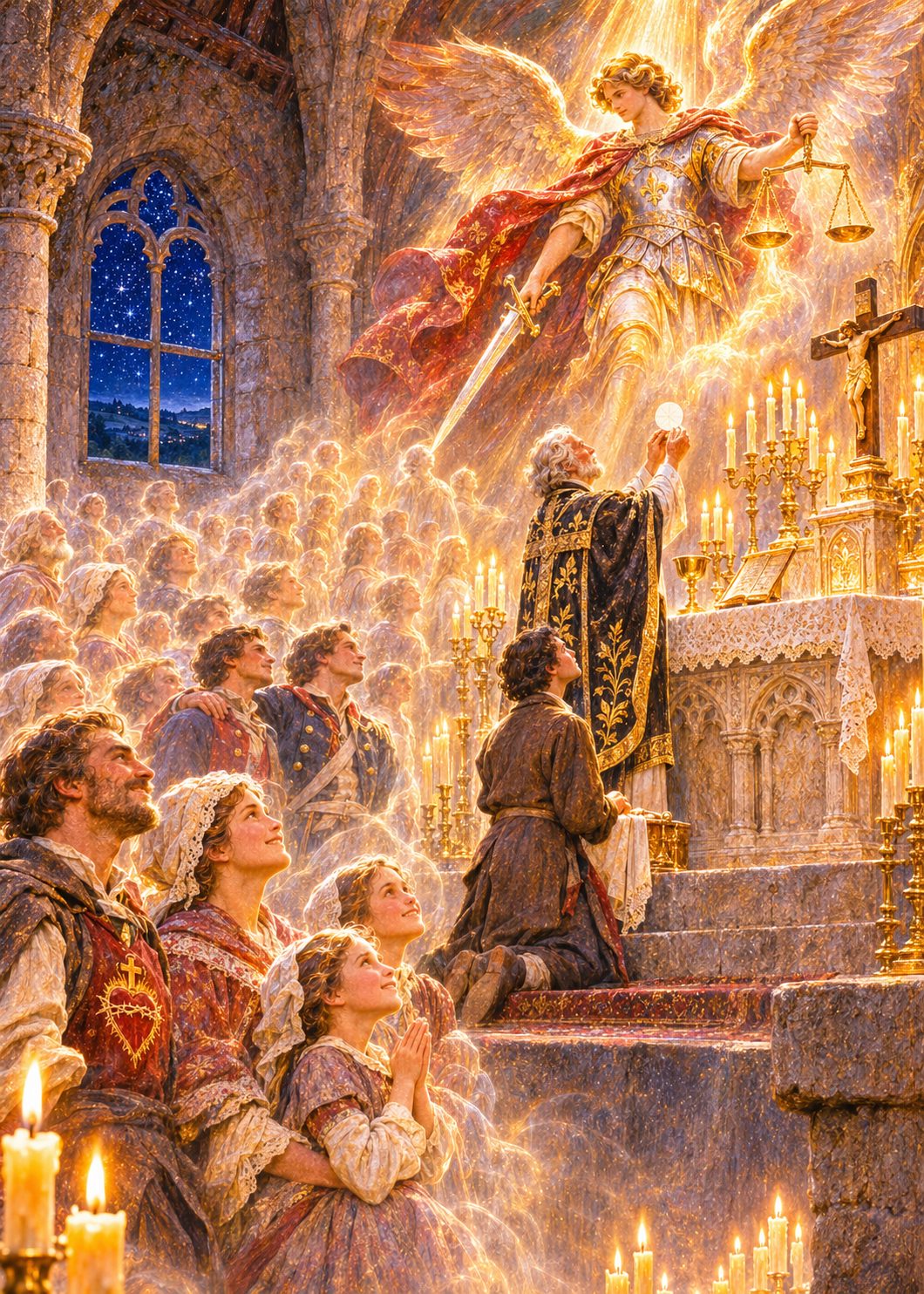
The Mass Beneath the Earth

A tale of Saint-Mesmin and the feast of Candlemas

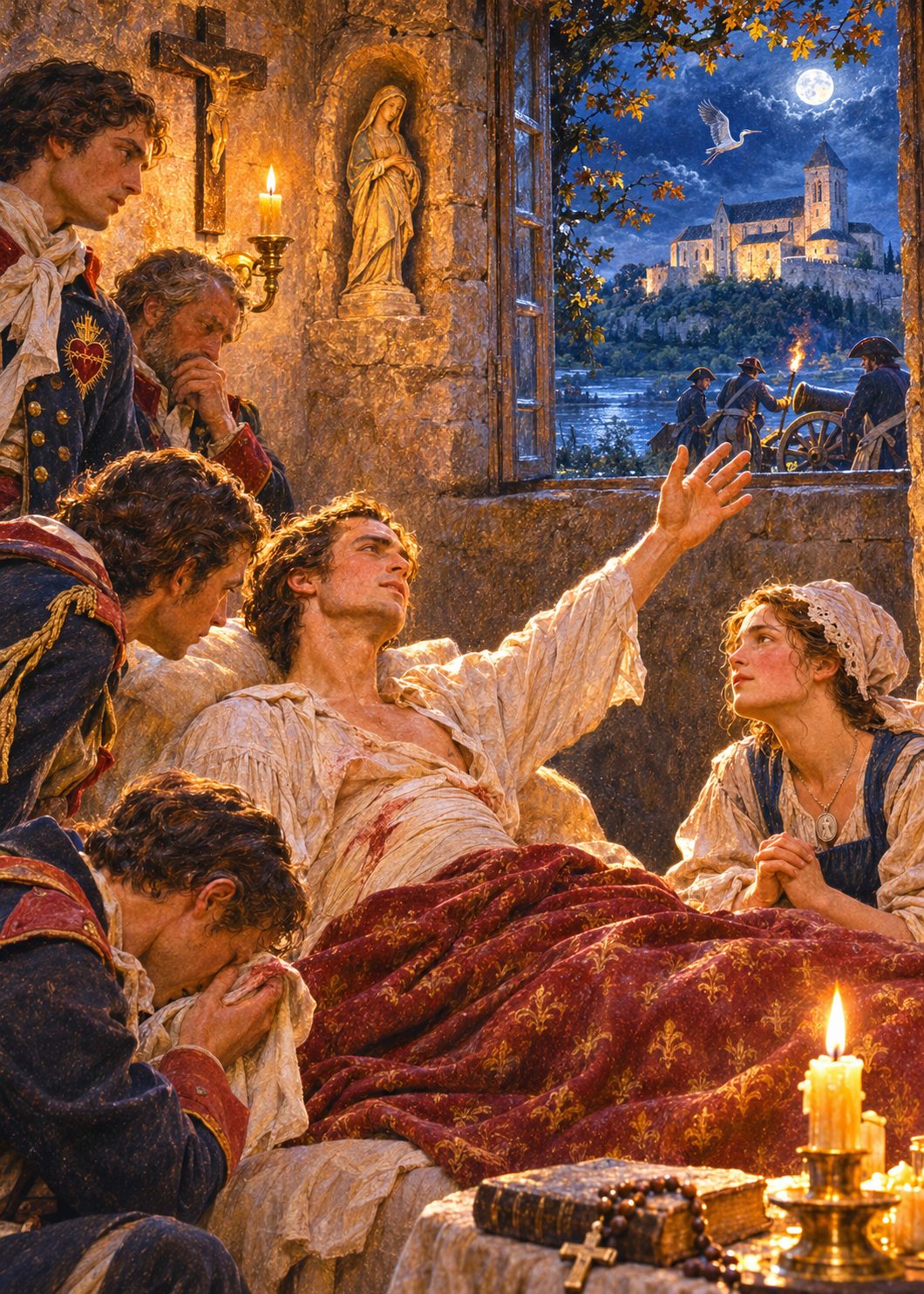
Illustration for tale VIII, Mercy for the Prisoners!
VIII

Mercy for the Prisoners!

A tale of Saint-Florent-le-Vieil and the feast of Saint Luke

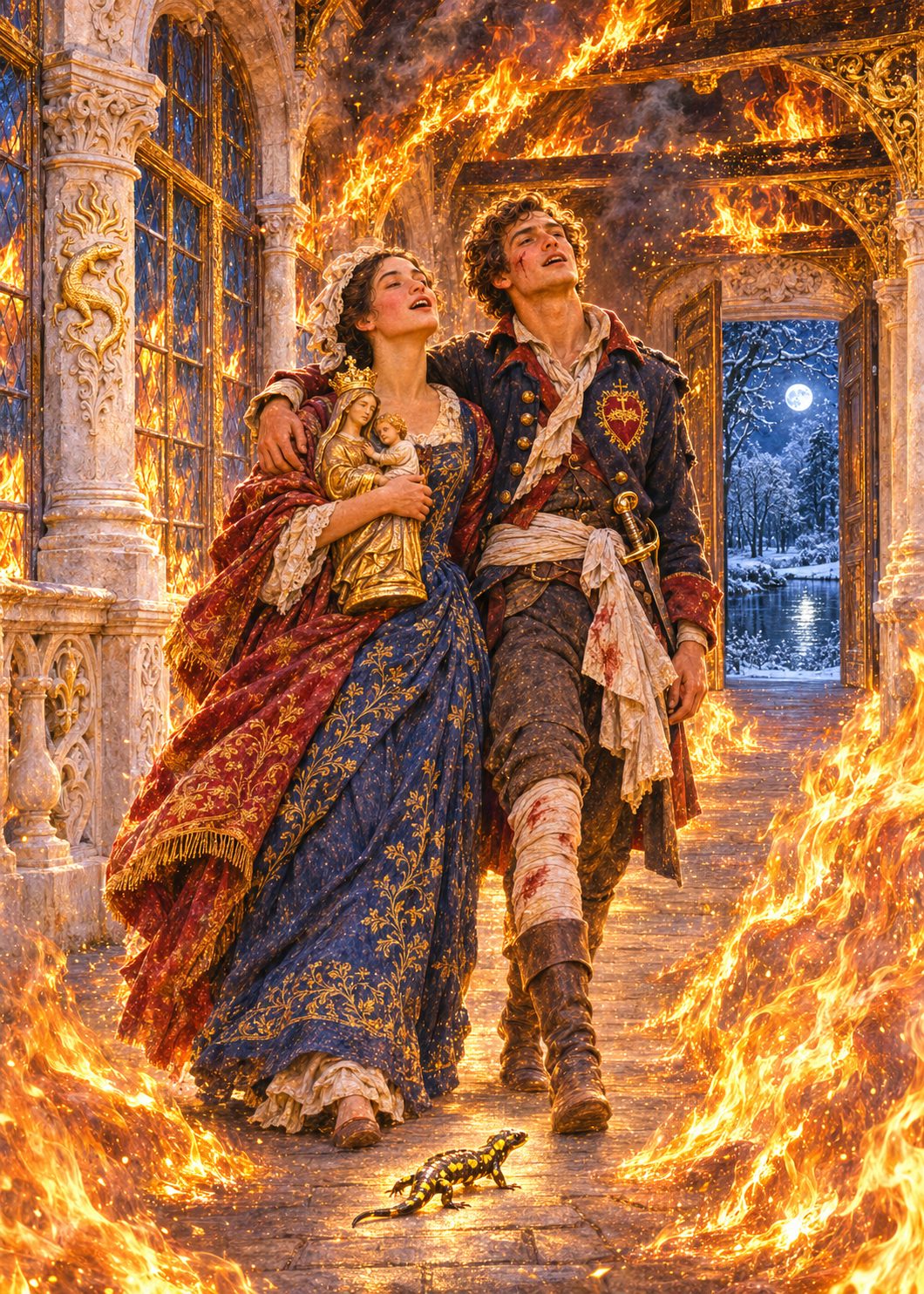
Illustration for tale IX, The Salamander of the Puy du Fou
IX

The Salamander of the Puy du Fou

A tale of the Puy du Fou and the Song of the Three Young Men

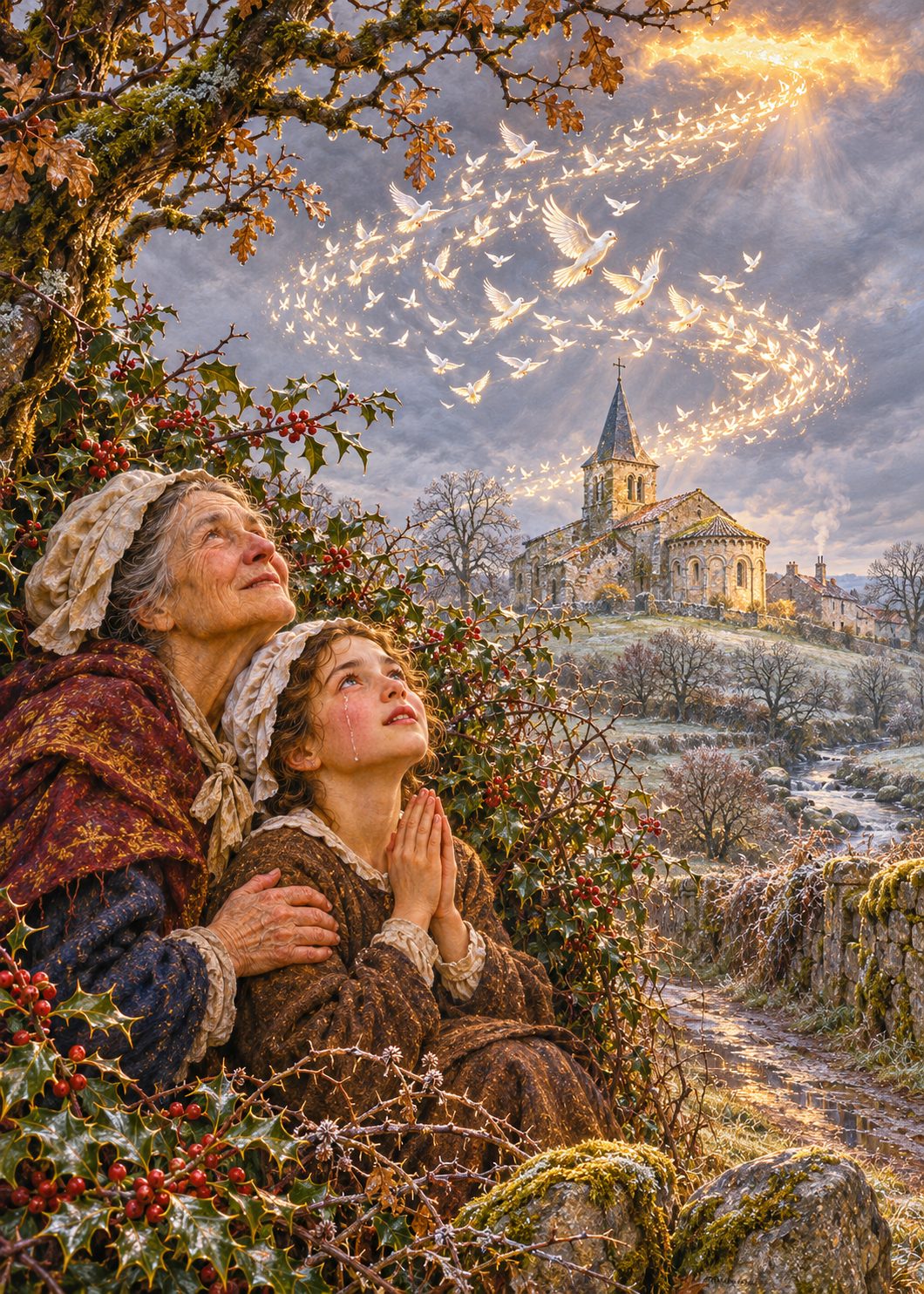
Illustration for tale X, The Doves of Le Petit-Luc
X

The Doves of Le Petit-Luc

A tale of Les Lucs-sur-Boulogne and the feast of the Holy Innocents

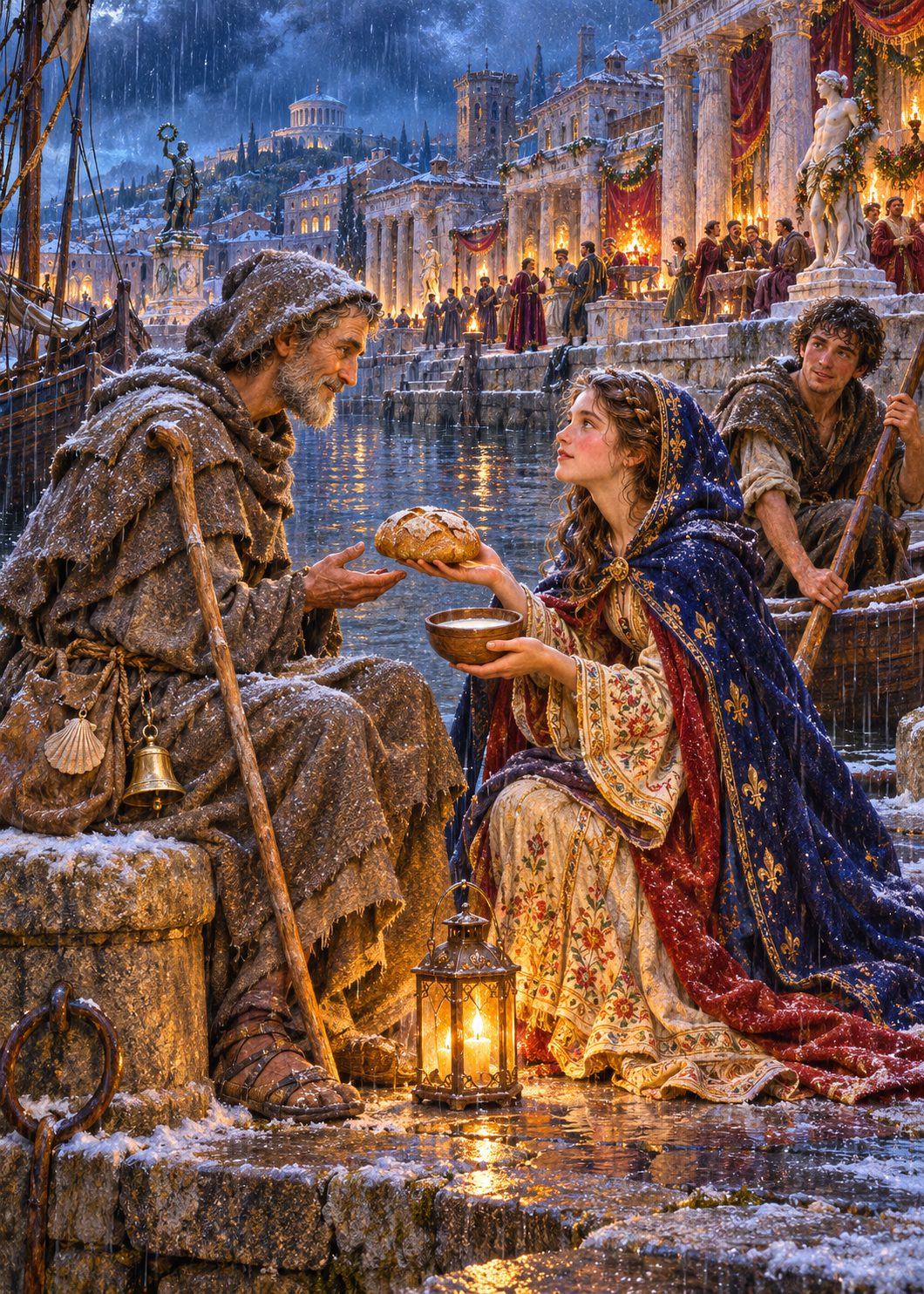
Illustration for tale XI, The Two Bells of the Little Church
XI

The Two Bells of the Little Church

A tale of Courlay and Pentecost

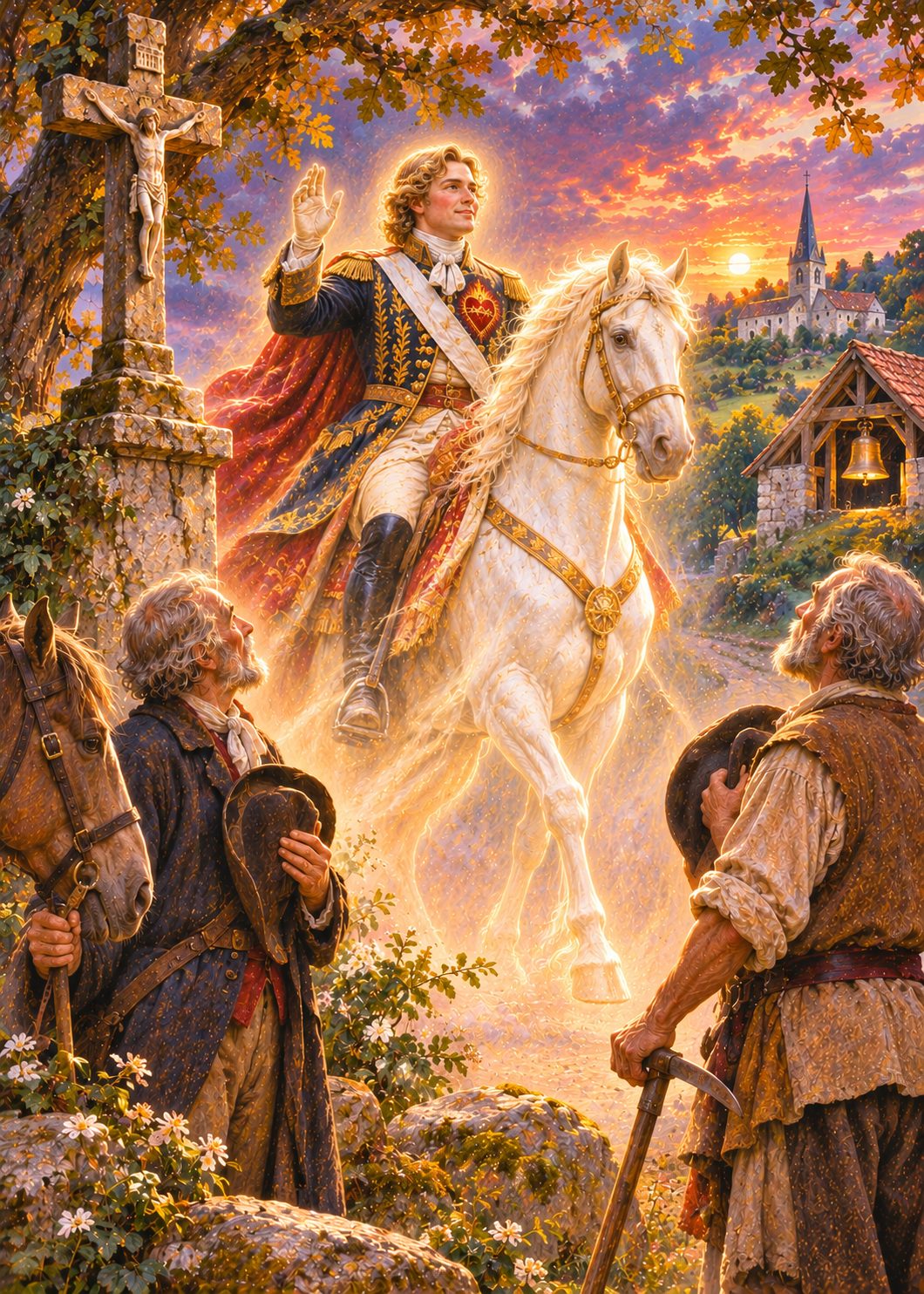
Illustration for tale XII, All Saints' Night on the Mont-Mercure
XII

All Saints' Night on the Mont-Mercure

A tale of Saint-Michel-Mont-Mercure and All Saints

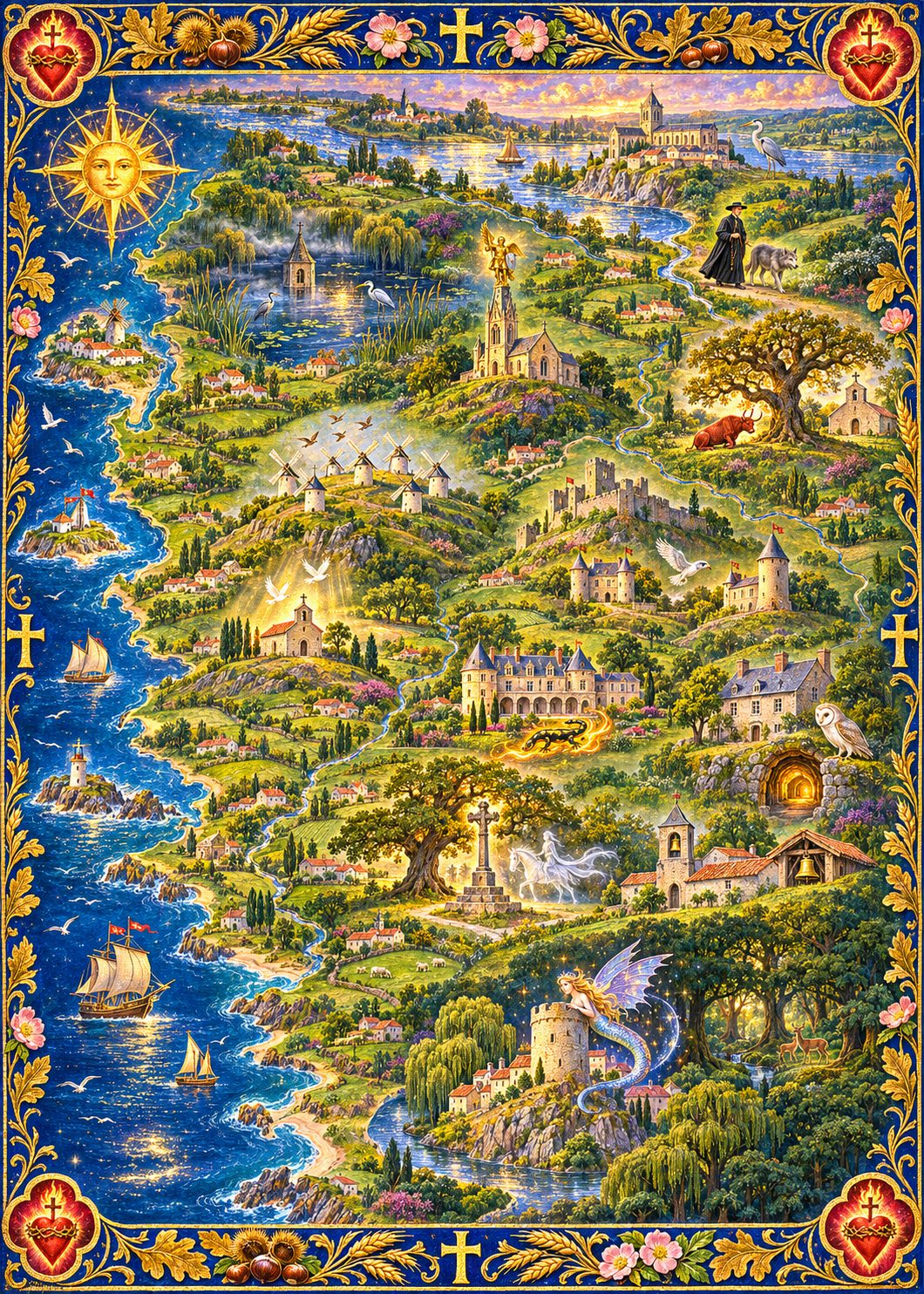
Illustrated map of the Vendée of the tales, showing the places of the twelve tales
The map of the book

The Vendée of the tales

From Vouvant and the forest of Mervent to the lake of Grand-Lieu, from Saint-Florent-le-Vieil on the Loire to the Mont des Alouettes, each tale is tied to a real place in the Bocage. Saint-Mesmin and l'Hermitage are at the heart of the map, a few leagues from the Puy du Fou, Pouzauges and the Mont-Mercure.

The places are real; the fairies, the wyverns and the wonders belong to the world of the tale. The notes in the book help the reader to tell history from legend.

Coming soon

Be told when the book appears

Leave us a message and we will write to you as soon as Contes et Légendes de la Vendée Catholique is available.

Write to us