Saint-Mesmin · Vendée · since 1826

Manoir de l'Hermitage

A family manor in the country of 1793, where the story of the returning king is still told.

In the heart of the Vendée bocage, twenty minutes from the Puy du Fou: a house to stay in, a place to gather, an estate to acquire.

Expecting the wonderful as a normal day

A house built for homecomings

Recorded from 1826 and restored in 1874 on the body of an older farmhouse, in the wooded quiet of the Vendée bocage, the Manoir de l'Hermitage stands on ground that remembers. This is the country of 1793, where a people rose for their faith and for a boy-king who never came home; the country where Georges Simenon came to disappear and write through the war.

Inside, every room turns on one idea: the return of the rightful king. It is the story the Vendée lived, and the one Tolkien and Lewis gave back to us. Twenty minutes from the Puy du Fou, l'Hermitage carries on the spirit of that place in a home where families can live it for a week, a season or a lifetime.
Discover the manor

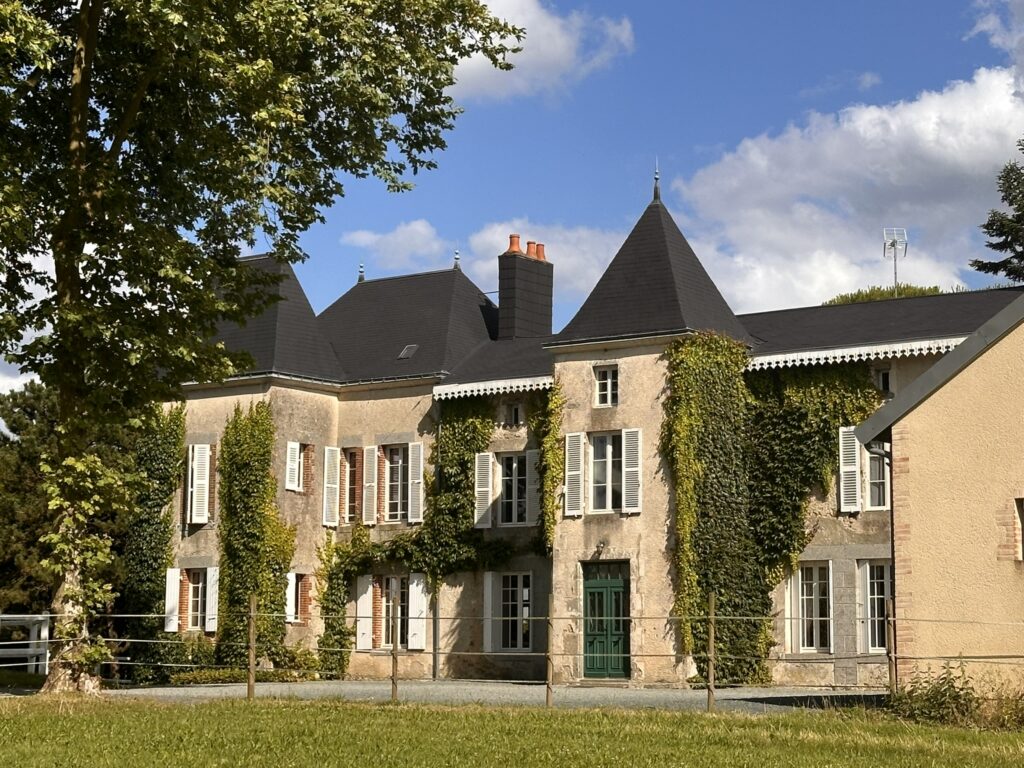
The Manoir de l'Hermitage seen from its park, with its slate roofs, turrets and ivy-covered walls
The manor from the park, as it stands today
The theme of the house

The Return of the King

Three chapters, one story: a land that waited, a house that kept faith, and a homecoming every guest is invited into.

1793

The Rising

The peasants and gentry of the bocage rose for their faith and their king. The parish of Saint-Mesmin saw the Infernal Columns pass, and the memory of those years still lives in its chapels, crosses and family names.

1874

The Manor

On the body of an older farmhouse, an English-style manor was restored at the edge of the village, with its park, its great umbrella pine and its charmille. In 1936, the parish carried a statue of Our Lady of Lourdes in procession to its grounds, where it still stands.

Today

The Return

The house is arranged around the hope of the returning king, the story the Vendée lived and that Tolkien told again for our century. Guests come home to it: to long tables, open fires, horses in the meadow and evenings in the charmille.

The house as it is

Manor, park and domain

Full description
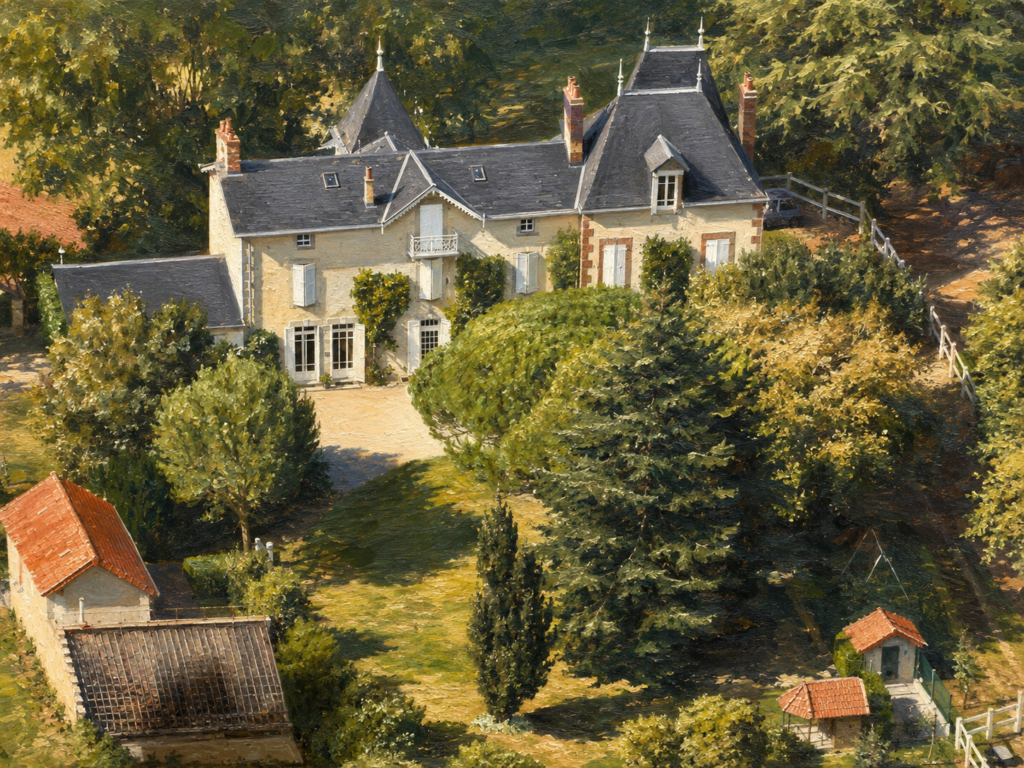
Aerial view of the manor, its park and outbuildings in the bocage
More than four hectares of park and meadow
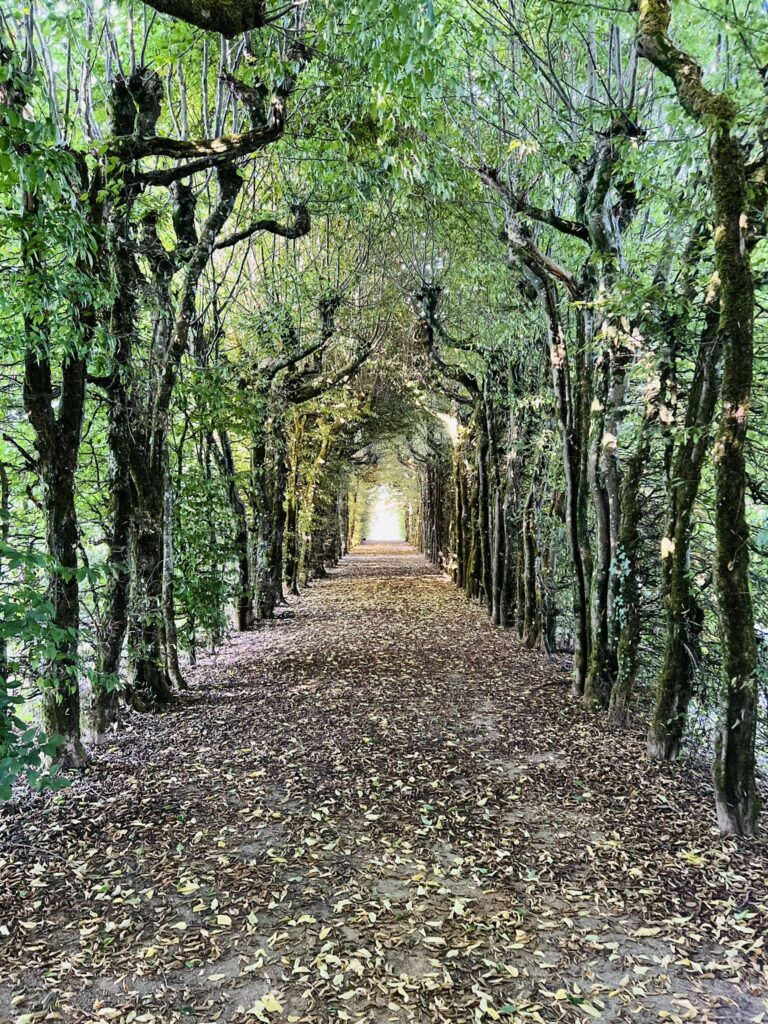
The charmille, a long walk between clipped hornbeam hedges
The charmille
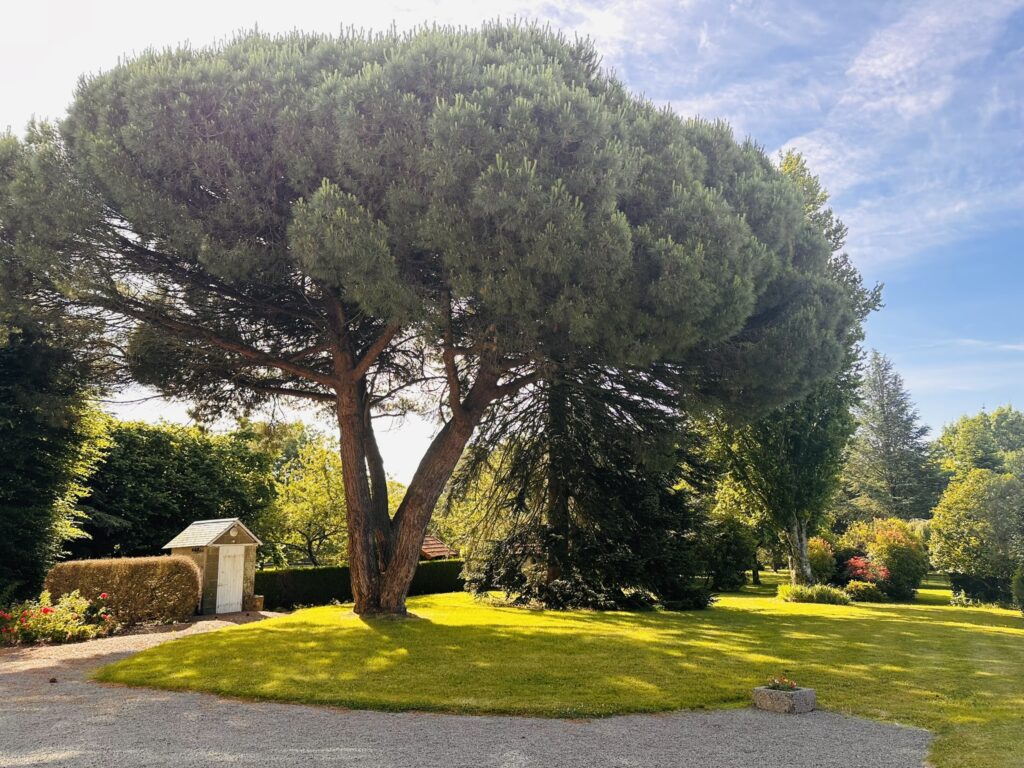
The great umbrella pine in the park
The great pine
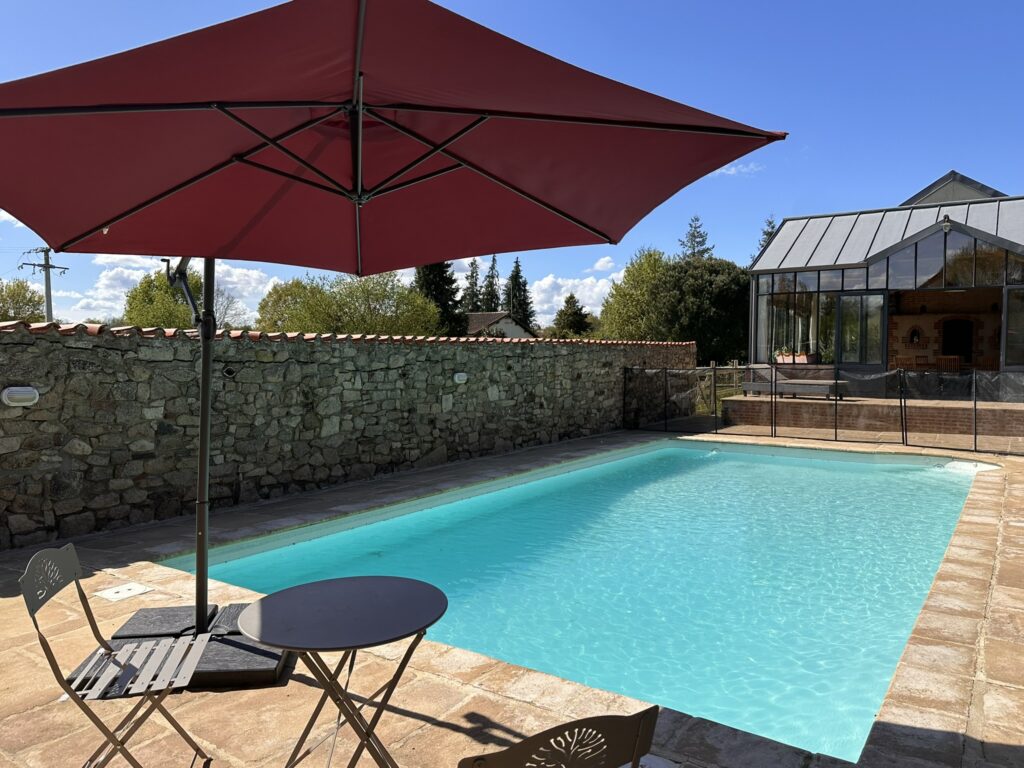
The heated swimming pool beside the summer room
The heated pool
The glass-walled summer room facing the pool
The summer room
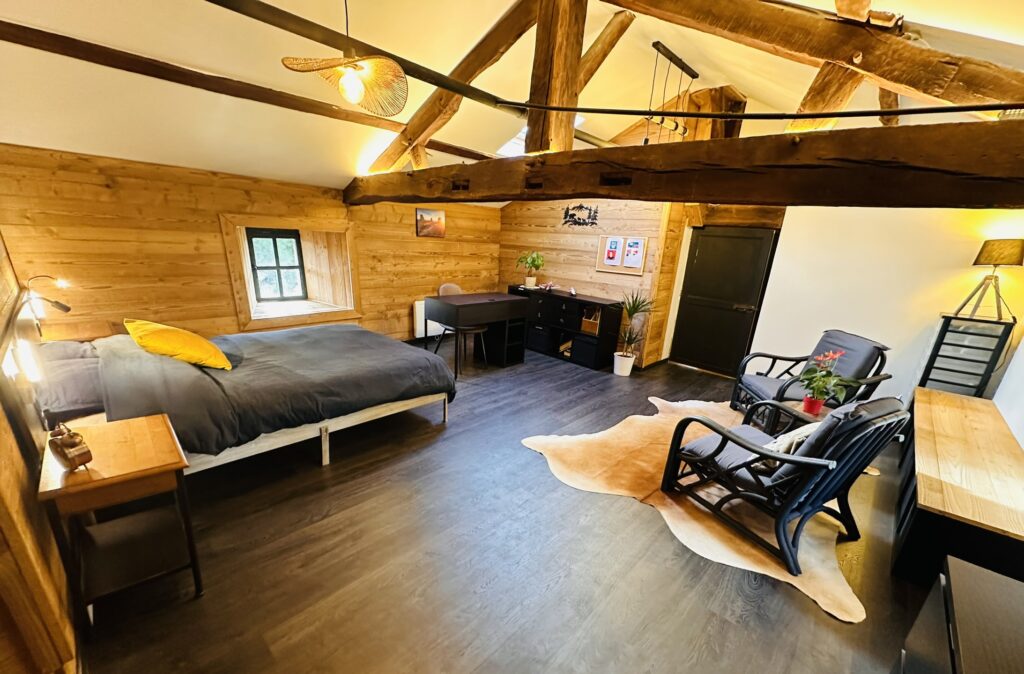
The chalet-style bedroom under exposed beams
The chalet room
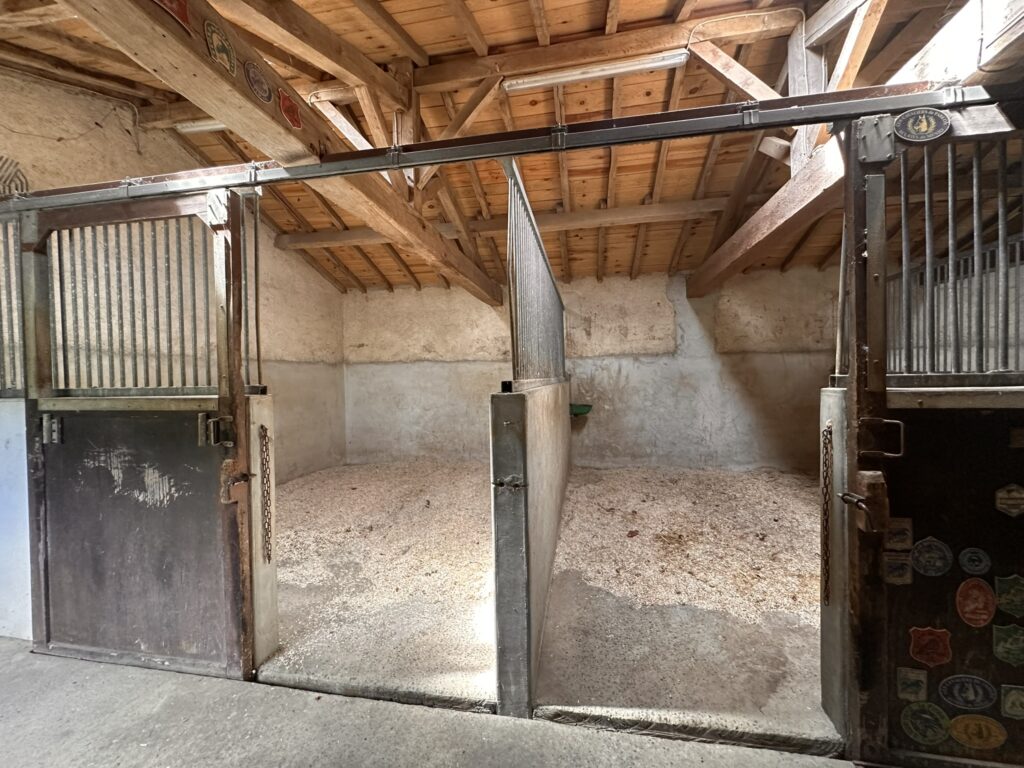
Horse stalls inside the barn
The stables
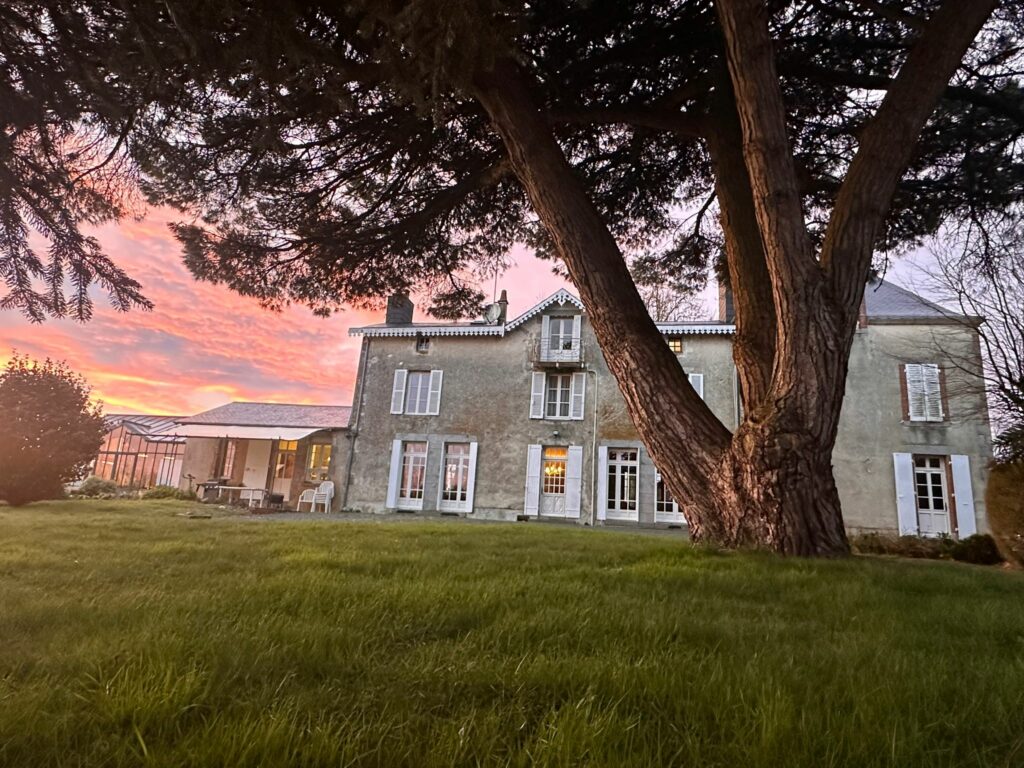
The manor at sunset seen across the park
Evening over the park
5bedrooms in the manor, plus a three-bedroom second house
4+ haof enclosed park, meadow and charmille
20 minfrom the Puy du Fou
1826an English-style manor in the High Bocage, restored in 1874
« J'aimais le manoir dont la route
Cache dans les bois ses détours,
Et dont la porte sous la voûte
S'enfonce entre deux larges tours »
Victor Hugo, Odes
A preserved Vendée

The Vendée, a land of refuge

Vendée, terre de refuge: a preserved and peaceful land, far from the turmoil of the great cities.

Far from the agitation of the big cities, the Vendée has kept what many French families are looking for today: living villages gathered around their steeples, schools on a human scale, village feasts, neighbors who know one another, and a peaceful life that follows the seasons.

It is a land of fidelity. The memory of 1793 is not a museum piece here but a living memory, carried by the calvaries at the crossroads, the chapels of the hamlets and the families who hand on the faith. For Catholic families thinking of leaving the city, the bocage offers a rare setting for family life, with the Académie du Puy du Fou and the Institution l'Espérance at Sainte-Cécile close by.

Catholic Vendée

1 pupil in 2attends a private school under contract with the state, most often Catholic: with the Morbihan, the Vendée has the highest share in France.
Nearly halfof the people of the Vendée live in rural areas, against fewer than one in five across France.
Among the lowestrates of unemployment, poverty and inequality in France.

Sources: French Ministry of Education, DEPP (2020 school year); Préfecture de la Vendée, departmental prevention plan; Insee, "La Vendée : des défis à relever pour maintenir son dynamisme".

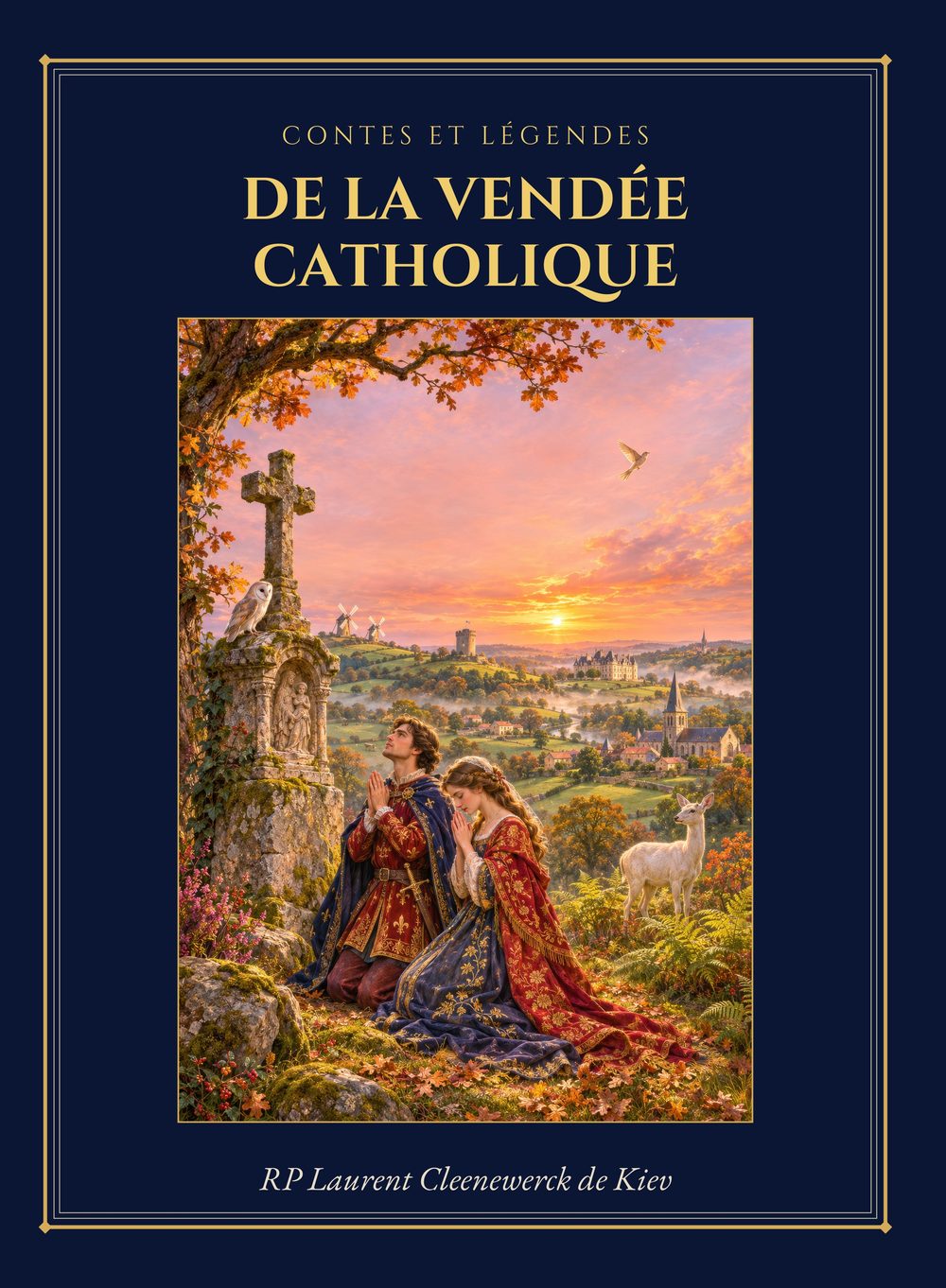
Cover of Contes et Légendes de la Vendée Catholique, by Fr Laurent Cleenewerck de Kiev
Coming soon

Contes et Légendes de la Vendée Catholique

RP Laurent Cleenewerck de Kiev

Twelve tales of the High Bocage, each tied to a real place and a feast of the Christian year. One of them, La Messe sous la terre (The Mass beneath the Earth), takes place right here, beneath l'Hermitage at Saint-Mesmin. In French; an English translation will follow.

Discover the book

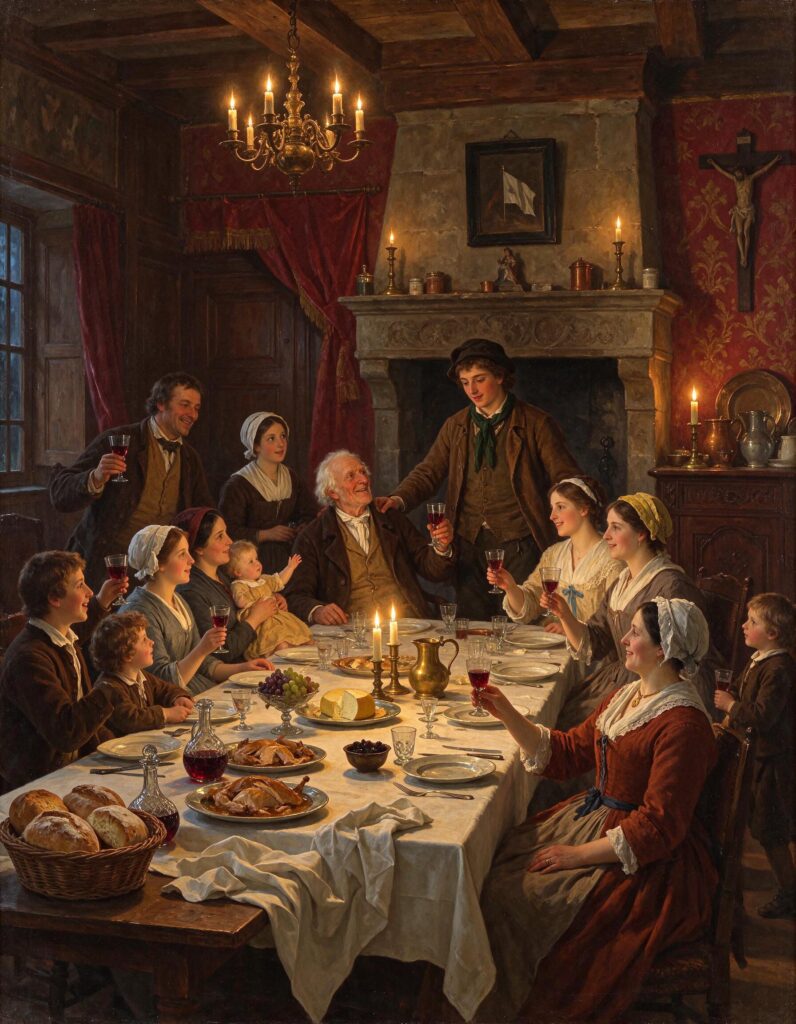
The veillée, after the 19th-century painters
Saint-Mesmin, Vendée

In the heart of the High Bocage

The manor stands at the edge of a living village, a few minutes' walk from the town hall, the bakery, the market and a tennis court, with the hedged lanes and wooded hills of the bocage all around.

  • 20 minthe Puy du Fou and its Cinéscénie
  • 35 minCholet station, with trains to Paris in about two and a half hours
  • 1 houran international airport
  • Fiberhigh-speed internet throughout
Discover the Vendée
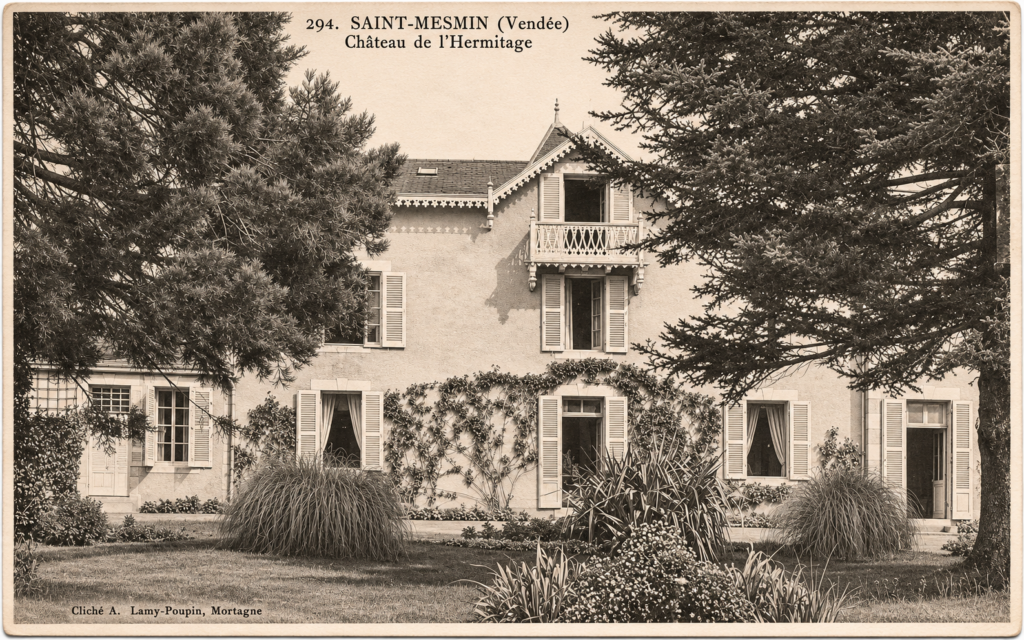
Old postcard: Saint-Mesmin (Vendée), Château de l'Hermitage, the garden front between two tall conifers
"Château de l'Hermitage," an old postcard (photograph by A. Lamy-Poupin, Mortagne)
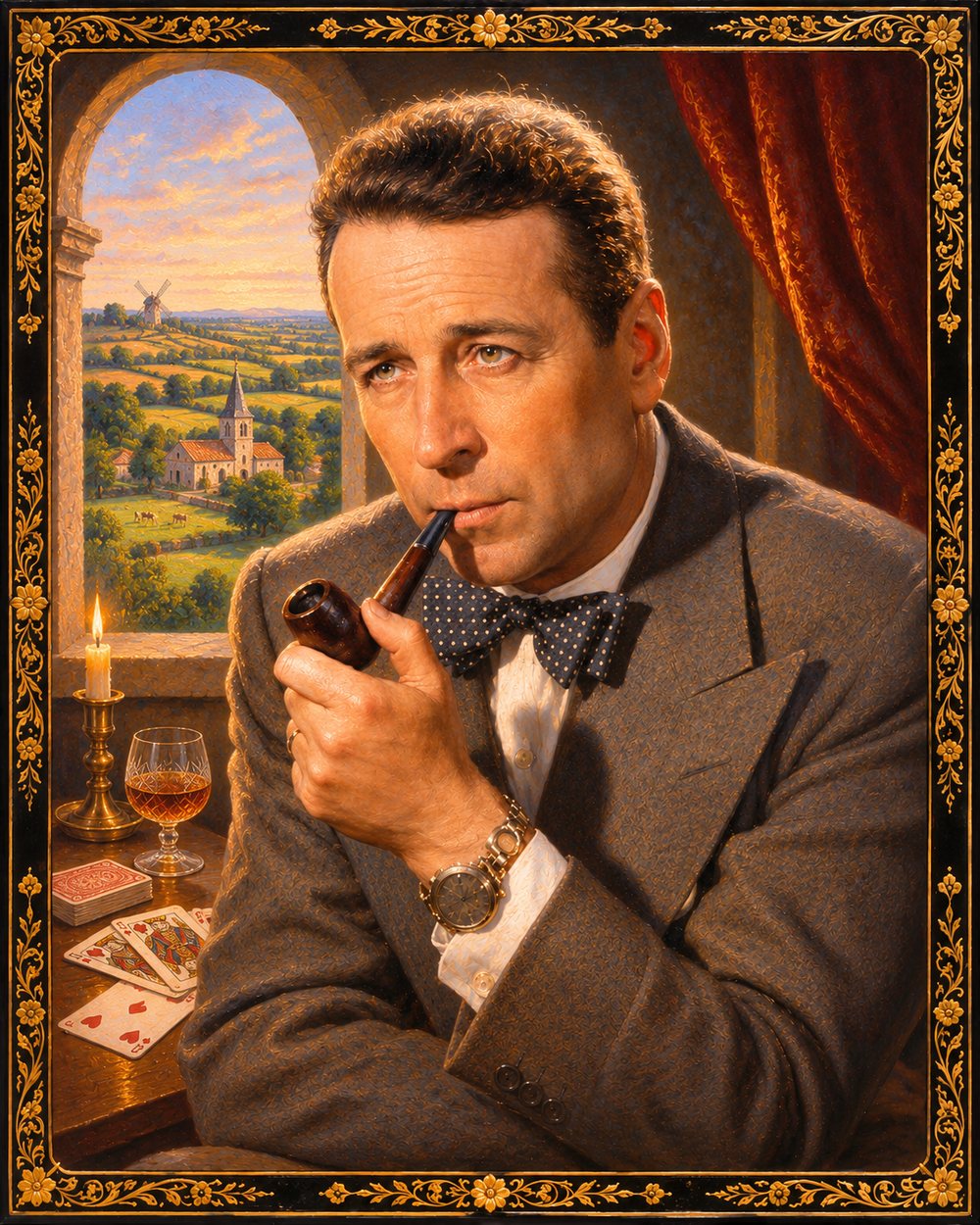
Painted portrait of Georges Simenon, pipe in hand, before a window open on the bocage of Saint-Mesmin, playing cards on the table
Georges Simenon in Saint-Mesmin, a portrait in the painterly manner
The Georges Simenon Walk · 1942-1943

Simenon at l'Hermitage

During the Second World War, Georges Simenon, the creator of Inspector Maigret, lived in Saint-Mesmin with his wife Tigy and their son Marc. He often came to the manor to play cards, and l'Hermitage is today one of the stops on the Georges Simenon Walk, the trail that follows his steps through the village.

It was in Saint-Mesmin that he wrote L'Inspecteur Cadavre (Inspector Cadaver), and the surrounding countryside, with its hedgerows, its rain and its closed villages, is still the country of his Vendée novels.

  • 1942-43the Simenon years in Saint-Mesmin
  • MaigretInspector Cadaver, written in the village
  • A stopl'Hermitage, on the Georges Simenon Walk
Georges Simenon in Saint-Mesmin
Option to buy

The estate may be acquired from April 2027

A nineteenth-century manor with five bedrooms, a second house, equestrian facilities and more than four hectares of park, twenty minutes from the Puy du Fou.

€789,500

See the offer